Top 10 Benefits of Installing a Boom Barrier Gate
1. Prevents Unauthorized Vehicle Access
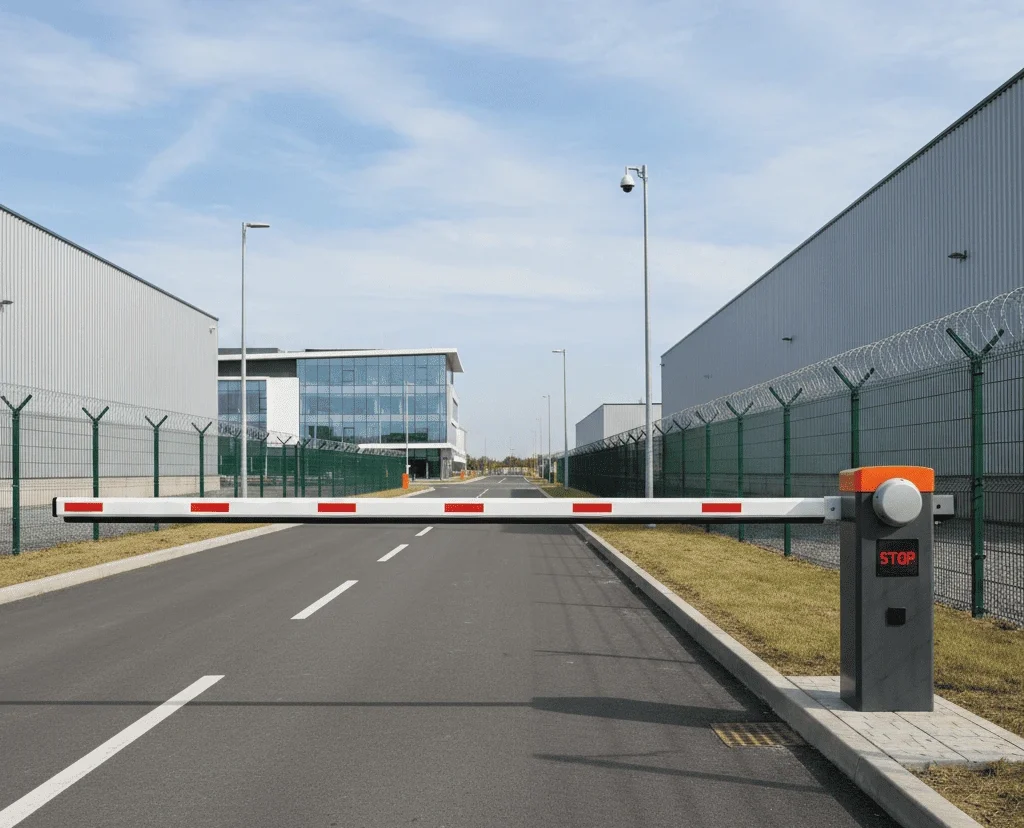
Boom barrier gates ensure that only authorized vehicles can enter the premises through RFID, remote control, ticketing systems, ANPR, or manual verification — improving security.
2. Enhances Parking Management
They help organize entry and exit points easily, reducing congestion in commercial towers, malls, hospitals, and residential complexes.
3. Improves Security & Safety
The gate restricts random trespassing, protecting properties from theft, vandalism, or unauthorized parking. Security personnel can monitor each incoming vehicle.
4. Integrated With Smart Access Technologies
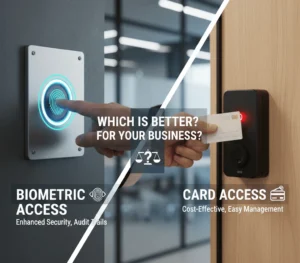
Modern boom barriers support RFID, QR code access, biometric systems, UHF readers, ANPR (Automatic Number Plate Recognition), and ticketing machines.
5. Cost-Effective Security Solution
Compared to deploying multiple guards, automated barriers reduce manpower needs, saving cost in the long run.
6. Controls Traffic Flow Efficiently
Useful for busy locations such as toll booths, stadiums, airports, and highways, where vehicle regulation is essential to avoid traffic jams.
7. Durable & Long-Lasting
Made with high-quality motors and aluminum arms, boom barriers work in tough environmental conditions and require minimal maintenance.
8. 24/7 Uninterrupted Operation
Automatic boom barriers operate continuously and reliably — ideal for round-the-clock security environments.
9. Real-Time Monitoring & Data Records
Every entry and exit time can be recorded for tracking, reporting, and audit purposes — essential for corporate and residential usage.
10. Customizable & Scalable
Available in various sizes, operation speeds, and integration options — suitable for small parking lots to large industrial facilities.
Where Boom Barrier Gates Are Commonly Used
- Residential apartments & gated communities
- Commercial buildings & IT parks
- Shopping malls & multiplexes
- Hospitals & universities
- Airports, seaports, metro stations
- Industrial warehouses & factories
- Toll plazas & highways
- Hotels & resort entry points
Types of Boom Barrier Gates
| Type | Description |
| Manual Boom Barrier | Operated manually, cost-effective for small premises |
| Automatic Boom Barrier | Electric motor based, remote or sensor-controlled |
| Hydraulic Boom Barrier | Heavy-duty, used for industrial locations |
| Electro-mechanical Boom Barrier | Smooth continuous operation, popular model |
Conclusion
Installing a Boom Barrier Gate is an excellent investment for enhancing access control, improving parking management, and increasing security. Whether it is a residential community or a commercial facility, boom barriers deliver smart automation, safety, and efficiency.
FAQ
What is the purpose of a boom barrier gate?
To control vehicle access, improve traffic flow, and prevent unauthorized parking.
Can boom barriers integrate with RFID and ANPR systems?
Yes, modern automated barriers support RFID, UHF tags, tickets, biometrics, and ANPR cameras.
How long do boom barrier gates last?
Typically 8–12 years, depending on usage and maintenance.
Are boom barrier gates suitable for residential apartments?
Yes, they are widely used to secure gated communities and ensure controlled entry.
How much does a boom barrier gate cost?
The price varies based on model, size, and features — from basic manual options to fully automated smart systems.