What is a Fire Hydrant System? Complete Guide for Safety & Protection

A Fire Hydrant System is one of the most essential and reliable fire-fighting systems installed in residential, commercial, and industrial buildings. Its primary purpose is to provide a continuous and pressurized water supply to fight fires at their earliest stage. This system ensures firefighters and trained personnel have immediate access to water through strategically placed hydrant points.
fire hydrant system

How Does a Fire Hydrant System Work?

A fire hydrant system works by pumping water at high pressure from a dedicated water tank to the fire hydrant network across the entire building premises.

Here’s the simple workflow:

  1. Water Source → Underground/Overhead tank
  2. Fire Pumps → Main pump, jockey pump & standby pump
  3. Pipes & Valves → GI/MS pipeline network
  4. Hydrant Points → Landing valves, hose reels, and nozzles
  5. Firefighters Use Hose → Direct high-pressure water on fire

This ensures round-the-clock readiness, even if the power fails or the fire spreads rapidly.

Main Components of a Fire Hydrant System
1. Fire Water Tank

Stores water exclusively for fire emergencies.

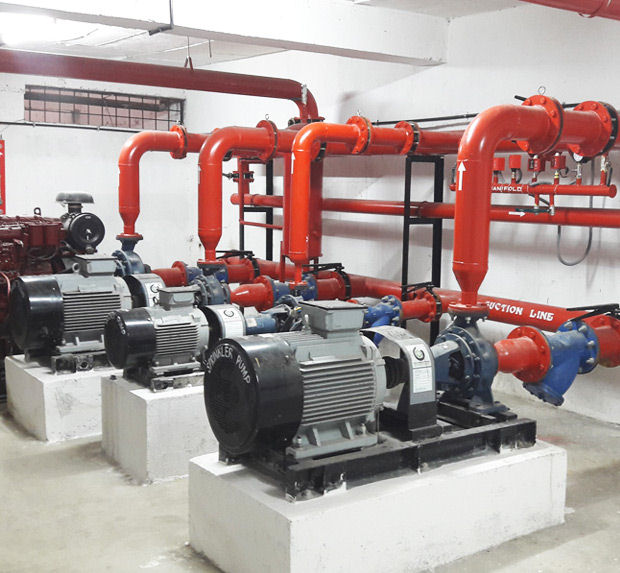
2. Fire Pumps

  • Main Pump – Operates when system pressure drops.
  • Jockey Pump – Maintains line pressure.
  • Diesel Pump – Backup during power failure.

3. Hydrant Valves / Landing Valves

Fixed points where firefighters connect hoses.

4. Fire Hose & Nozzles

Deliver water to extinguish the fire.

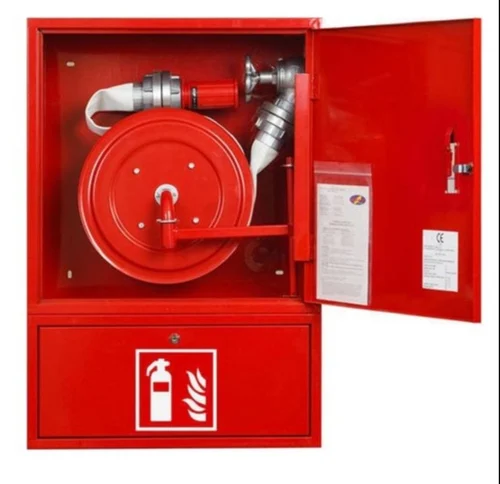
5. Fire Hose Cabinet

Protects hoses and nozzles from damage.

6. Piping Network

Carries water throughout the building.

7. Fire Brigade Inlet

Allows fire engines to pump water into the hydrant system.

Types of Fire Hydrant Systems

1. Wet Riser System

Pipes remain filled with pressurized water at all times.

2. Dry Riser System

Pipes stay empty; filled by fire brigade during emergencies.

3. External Hydrant System

Hydrant points installed outside the building in open areas.

Why Do Buildings Need a Fire Hydrant System?

A fire hydrant system is mandatory in many building types as per fire safety regulations. Key benefits include:

1. Quick Initial Response

Controls fire before it spreads.

2. Works Even in Power Failure

Backup pumps ensure no interruption.

3. High Water Pressure

Capable of handling large and intense fires.

4. Full Building Coverage

Pipes extend across basements, floors, and open areas.

5. Supports Fire Brigade Operations

Firefighters can easily connect and fight fire instantly.

Where Are Fire Hydrant Systems Used?

  • Commercial complexes
  • Industries & warehouses
  • Shopping malls
  • Hospitals
  • High-rise buildings
  • Educational institutions
  • Hotels & public spaces

Conclusion

A Fire Hydrant System is a vital fire-fighting installation designed to safeguard lives, property, and the overall safety of any building. With its high-pressure water supply and easy accessibility, it helps in controlling fire before it escalates. Every building, small or large, must have a well-designed and regularly maintained fire hydrant system to stay compliant and safe.


Share:

More Posts

Top Benefits of Professional CCTV Installation Over DIY

Top Benefits of Professional CCTV Installation Over DIY

In today’s security-conscious world, CCTV surveillance has become essential for homes, offices, and industrial facilities. While DIY CCTV kits may seem cost-effective, they often fall short in critical areas like security, compliance, and long-term reliability. Choosing professional CCTV installation ensures your surveillance system actually protects what matters most. 1. Reduced

Fire Hydrant System Installation

Fire Hydrant System Installation: Design, Standards & Maintenance

A fire hydrant system is one of the most critical active fire protection systems for industrial, commercial, and large residential buildings. Unlike fire alarms that only warn occupants, a hydrant system actively supplies water to control or extinguish fire until emergency services arrive. In this guide, we cover fire hydrant system layout, pressure requirements, Indian standards, and why Annual Maintenance Contracts (AMC) are essential—especially for compliance and insurance approvals.

Top 7 Fire Safety Mistakes

Top 7 Fire Safety Mistakes Indian Buildings Still Make

Fire safety is no longer optional in India. With stricter regulations, increasing fire incidents in commercial complexes, IT parks, hospitals, malls, and residential high-rises, building owners must ensure full compliance and system readiness.

Yet, many buildings still make critical fire safety mistakes that put lives, property, and business continuity at risk.

In this blog, we highlight the Top 7 Fire Safety Mistakes Indian Buildings Still Make and how you can avoid them.

Fire alarm Vs Fire Suppression

Fire Alarm vs Fire Suppression: Which Is Right for Your Building?

When it comes to fire safety, choosing the right system is not just about compliance—it’s about protecting lives, property, and business continuity. Two of the most common fire protection solutions are Fire Alarm Systems and Fire Suppression Systems. While both are essential, they serve very different purposes.

In this guide, we break down the differences, use cases, and compliance requirements to help you decide which system is right for your building.

Send Us A Message